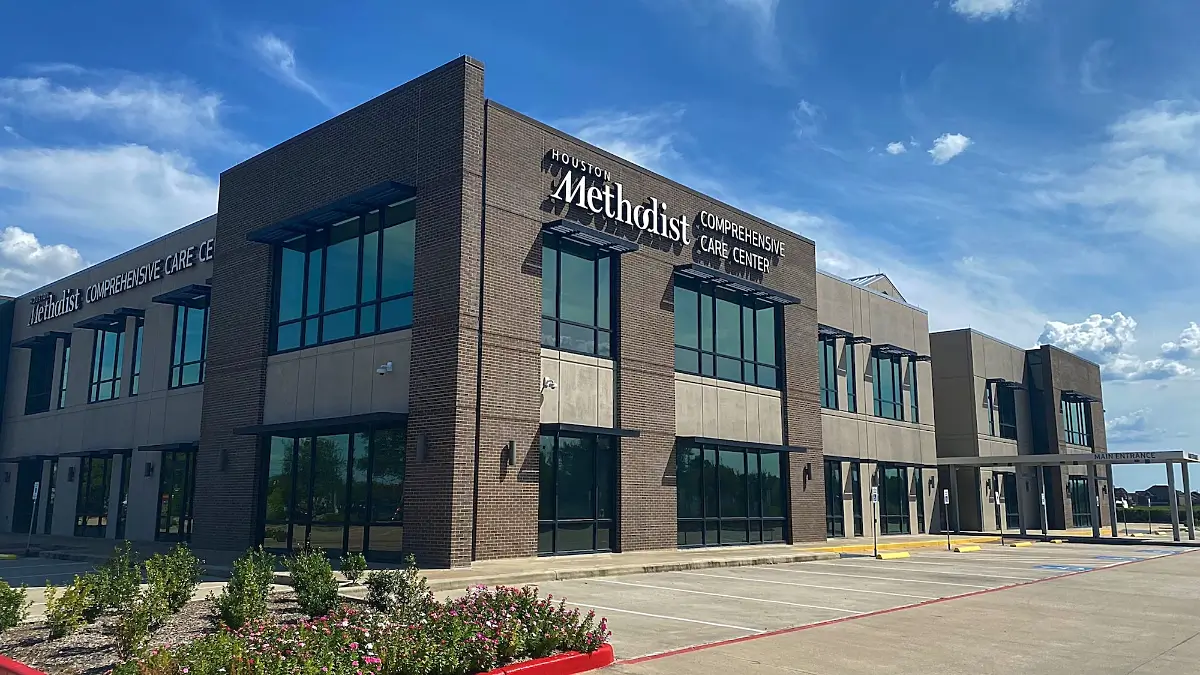
Understanding the Impact of Physician Employment Trends, Lease Sizes, and Financial Challenges on Medical Outpatient Buildings
U.S. physicians are increasingly transitioning from private practices to hospital employment, significantly impacting the healthcare real estate landscape. The Affordable Care Act of 2010 has accelerated this shift, making it financially challenging for independent doctors to maintain private practices.
Key Trends in Physician Employment
From 2012 to 2022, the percentage of physicians in private practices dropped from 60.1% to 46.7%. During the same period, small practices of 10 or fewer physicians saw a decline from 61.4% to 51.8%, while larger practices with 50 or more physicians grew from 12.2% to 18.3%. In 2022, 42% of physicians worked in single-specialty offices, and 26.7% were part of multi-specialty practices.
Current Employment Statistics
- As of January 2022, hospitals or corporations employed 74% of physicians in the United States.
- 52.1% were specifically hospital-employed.
Impact on the Medical Property Market
Hospital systems are actively recruiting physicians, particularly in growing suburban areas, accounting for the majority of medical leasing activity. Larger corporate-owned physician groups and healthcare systems, rather than independent physicians, are signing the majority of recent medical office building (MOB) leases.
Evolving Lease Sizes
The typical size of medical office leases has been growing from 2,500–3,500 square feet when private practices were more prevalent to 5,000–25,000 square feet, depending on the number of physicians. Hospital systems are also establishing larger, multi-specialty hubs with leases spanning from 30,000 to 100,000 square feet, particularly in suburban markets where they don’t have a nearby hospital campus.
Developer Considerations
As suburban expansion continues by health systems looking to expand market share, MOB developers are focusing on securing a higher proportion of hospital system credit tenants, requiring fewer individual lease transactions and less challenging underwriting criteria.

The Rise of Medtail Spaces
According to CoStar data, approximately 20% of medical leases are now in retail buildings up from 16% in 2010, a 20% increase. In the past medical tenants located in retail settings tended to be on the smaller side, but we are increasingly seeing healthcare providers secure larger spaces as retail owners are increasingly looking to incorporate healthcare users into their retail developments.
Challenges in Medical Outpatient Leasing
The healthcare sector faces financial constraints due to declining government revenues, rising supply costs, and staffing issues. Despite these challenges, there’s a growing need for outpatient facilities. However, economic uncertainties and rising rental rates are making expansion more cautious and complex.
By understanding these trends and challenges, stakeholders can make more informed decisions in the evolving healthcare real estate market. Healthcare real estate professionals can provide value by finding and structuring the most cost-effective locations in a rising rental rate and tenant improvement cost environment.