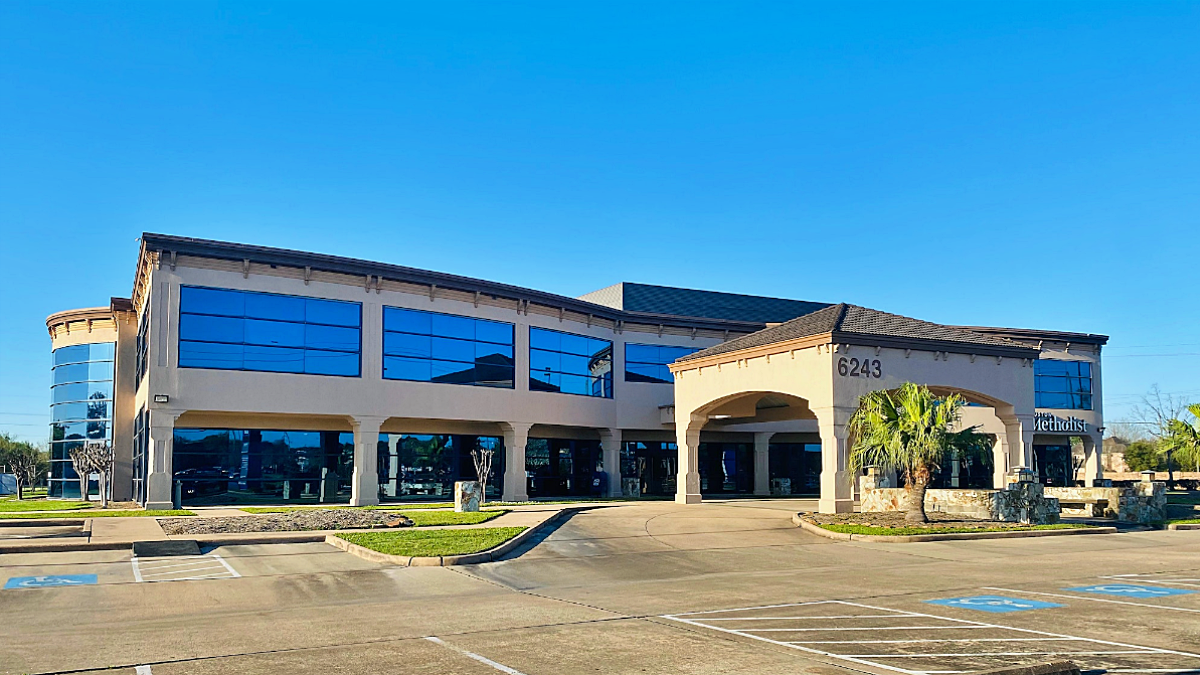
Medical office buildings have consistently outperformed traditional offices in recent years, showing greater stability and resilience.
Medical office buildings (MOBs) have evolved from a niche asset class in the commercial real estate market, continuing to outperform traditional office spaces in both performance and resilience. With low vacancy rates, rising rents, and strong demographic tailwinds, MOBs are proving to be one of the most durable and attractive asset classes for investors amid broader market volatility.
Steady Demand and Sector-Specific Strengths
The healthcare sector has long been underpinned by steady demand, and medical office space is no exception. Ambulatory healthcare job growth a key driver in medical office space demand has remained near 4% over the past two years, far outpacing the 0.5% growth rate seen in traditional office-using sectors. As America’s population ages, the need for outpatient care, diagnostics, behavioral health, and specialty services is only accelerating.
This demand is translating directly into real estate performance. MOB vacancy rates have remained remarkably stable. Traditional office vacancies, by contrast, have jumped by 500 basis points and hover near record highs over the last four years.


Sticky Tenants and Long-Term Leases
One major reason MOBs stand out is tenant stickiness. Healthcare providers depend on proximity to patients, which makes location paramount. Once established, medical practices are reluctant to move particularly since medical buildouts are capital-intensive and relocating specialized equipment is costly and disruptive.
This leads to longer lease terms, lower tenant turnover, and greater income stability for landlords and investors.
Constrained Supply and Strategic Locations
Unlike traditional offices, medical office buildings aren’t easily replicated. Healthcare groups typically require sites near hospitals, in suburban hubs, or in high-traffic retail corridors with locations that are often limited in availability. As a result, much of the new MOB supply is either preleased or purpose-built for health systems or larger physician groups, keeping overall inventory growth disciplined.
Meanwhile, construction of new MOBs is slowing, and high building costs are driving demand for second-generation spaces. This limited supply is helping to push rents higher in most markets.
Strong Investment Fundamentals
MOBs are not just holding steady they are demonstrating steady growth. From 2019 to 2024, employment in medical outpatient buildings grew by 13%, outpacing hospitals and the broader healthcare sector. Rent growth in MOBs has also outstripped that of traditional offices and even many other commercial property types since 2020.
In terms of capital markets, MOBs have shown resilience across multiple economic cycles, including the Global Financial Crisis and the COVID-19 pandemic. Loan default rates remain low, and even with fluctuating interest rates, investors are keeping a close eye on the sector for its combination of security and growth potential.
Long-Term Outlook: Healthy and Bright
Looking ahead, MOBs are well-positioned to meet the healthcare needs of a rapidly aging U.S. population. Outpatient spending is projected to jump 31% by 2030 to nearly $2 trillion, with seniors accounting for a disproportionate share of that growth.
This demographic trend, coupled with stable fundamentals, makes MOBs a compelling investment class. As real estate investors adapt to market shifts, medical office buildings continue to offer long-term value, minimal volatility, and strong returns.