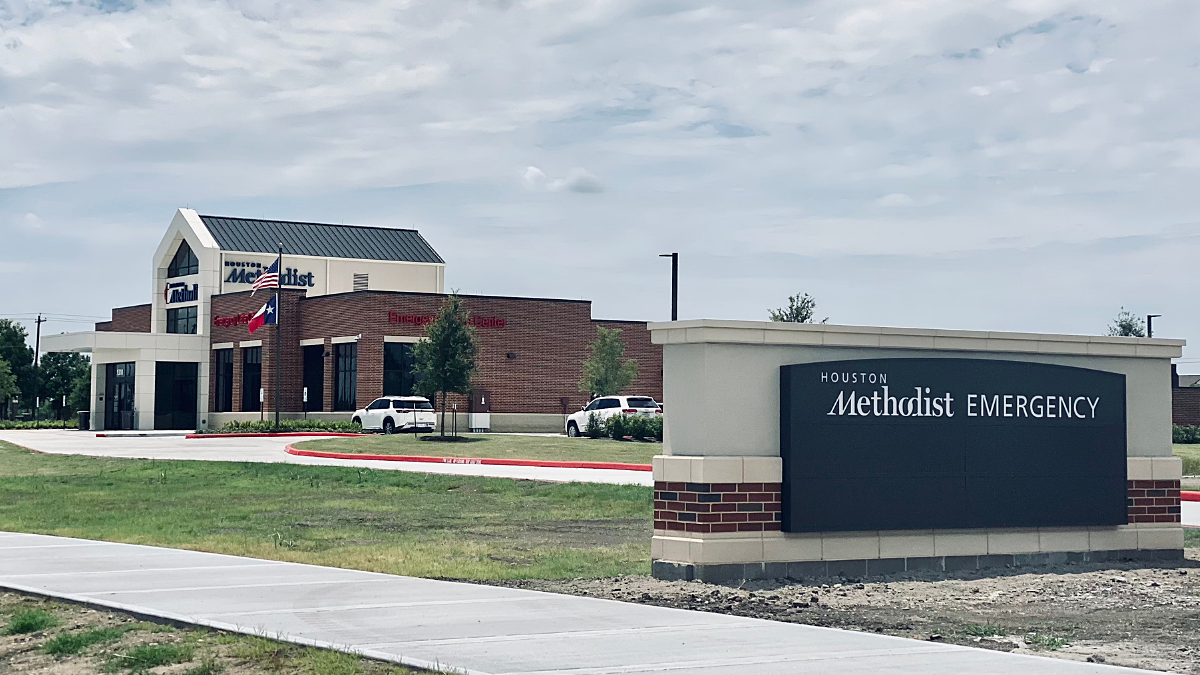
Why Your Location Strategy is Your New Clinical Strategy
Outpatient is No Longer Optional

The “Retailization” Has Matured
The ASC Boom: Higher Acuity, Lower Cost
Data-Driven Site Selection: Beyond “Dots on a Map”
- Where does the payer mix most favor?
- What is the drive-time tolerance for an orthopedic consult vs. an oncology visit?
- Where are the “medical voids” in the market that competitors have missed?

The Bottom Line
.
Need to align your healthcare real estate portfolio with your clinical goals? Contact me to discuss how we can optimize your footprint for the modern healthcare economy.
Frequently Asked Questions (FAQs)
FAQ 1: The Outpatient Migration
Q: Why are health systems prioritizing outpatient healthcare real estate in 2025? A: The shift to outpatient facilities is driven by critical financial and operational necessities. With 80% of surgeries now performed outside of hospitals, health systems are leveraging outpatient real estate strategies to combat thinning operating margins. Procedures performed in Ambulatory Surgery Centers (ASCs) or community clinics are typically 30% to 60% less expensive than inpatient hospital settings. By moving routine diagnostics and complex surgeries to these cost efficient “spokes,” providers can optimize their portfolio and meet the rising demand for accessible, lower cost care.
FAQ 2: The Rise of “Medtail”
Q: What is “Medtail” and how is it changing healthcare site selection? A: “Medtail” refers to the convergence of medical services and retail environments, a trend that has matured into a standard expectation for the consumer patient of 2025. Modern healthcare site selection now mirrors retail strategy, prioritizing high visibility locations with seamless access and “digital front doors.” Medical tenants are aggressively acquiring former retail spaces to reduce friction for patients who expect the same convenience booking an MRI as they do a dinner reservation. If a provider is not visible on “Main and Main,” they risk losing market share to competitors who are.
FAQ 3: ASC Technical Requirements
Q: What are the key building requirements for Ambulatory Surgery Centers (ASCs) in 2025? A: As higher acuity procedures like total joint replacements and cardiac surgeries migrate to outpatient settings, the technical specifications for medical office buildings have skyrocketed. Successful ASC development now requires specialized infrastructure including increased slab to slab heights for surgical lights, reinforced floors for robotic surgery units, and power grids with 100% redundancy. Real estate that cannot support these advanced clinical tools will become obsolete as the “acuity shift” continues to dominate the market.