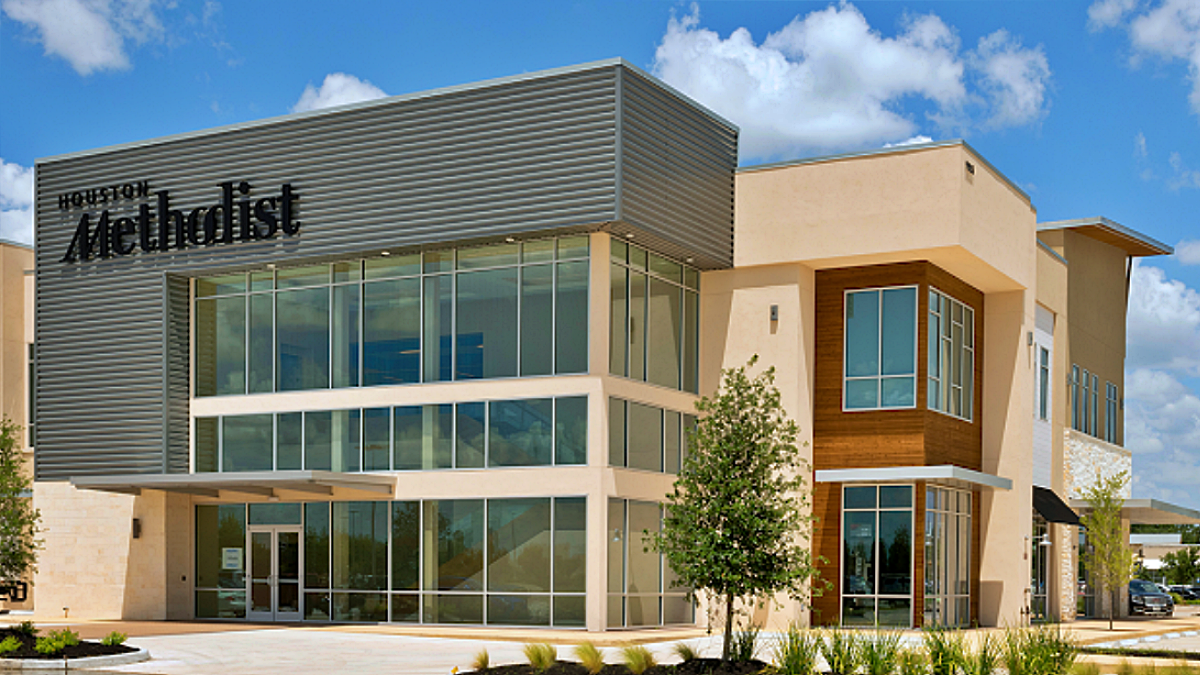
Why Patients are Trading Campuses for Convenience
The hospital is no longer the undisputed center of the healthcare universe. While general acute care is stabilizing, the real momentum and the money have shifted to Ambulatory Surgery Centers (ASCs), urgent care, and outpatient facilities.
If you are a provider or a practice administrator, your real estate is no longer just “overhead.” It is your most powerful operating lever. Here is why it’s time to rethink your footprint.
Patients Are Now Shoppers (And They Hate Parking Decks)
The days of patients tolerating a 20-minute hunt for parking and a confusing maze of hospital corridors are over.
Today’s patient views healthcare through a “retail” lens. They value convenience, visibility, and speed.
- The “Medtail” Shift: If your practice is hidden deep within a hospital campus, you are losing volume to the competitor located next to the grocery store or the gym.
- Access is King: In 2026, a top-tier location offers ground-floor access, dedicated parking, and visible signage. If a patient can’t find you easily, they will find someone else.
Follow the Money: The ASC Explosion
The shift isn’t just about patient preference; it’s about payer pressure. Commercial payers and CMS are aggressively steering procedures toward lower-cost settings.
- The Cost Arbitrage: Performing a joint replacement or a cardiac procedure in a hospital outpatient department (HOPD) is significantly more expensive than in a freestanding ASC.
- The Provider Upside: Moving procedures to an ASC isn’t just cheaper for the system; it often offers physicians equity opportunities and operational control that hospital employment cannot match.
If your portfolio is heavy on hospital-dependent space, you are likely overpaying for infrastructure you don’t need, while missing out on the efficiency of a purpose-built outpatient facility.
Real Estate is a Recruiting Tool
We are in the midst of a historic labor shortage. Your physical space matters to your staff as much as it does to your patients.
- Burnout Buffer: Modern, well-lit, off-campus facilities with easy access improve staff morale.
- Efficiency: Old Medical Office Buildings (MOBs) often suffer from poor layouts. Modern outpatient footprints are engineered for speed that reduces”steps-per-encounter” so your clinical staff spends their billable hours treating patients, not navigating hallways.
Your Strategic Checklist for 2026
If your lease is coming up, or if you are planning expansion, do not default to “renewing what we have.” Ask these three questions:
- Is my location working for me? Run a demographic analysis of your current patient base. Are you located where they live now, or where they lived 10 years ago?
- Can I decouple from the campus? Identify which services truly require hospital proximity (e.g., complex oncology, trauma) and which can be moved to a lower-cost, higher-convenience retail setting.
- Is my space “procedure-ready”? Ensure your next real estate move allows for higher acuity. Look for buildings that can support the HVAC, power, and floor-load requirements of an ASC or advanced imaging center.
The Bottom Line
Real estate is no longer passive. In 2026, the location of your practice dictates your patient volume, your reimbursement rates, and your operational efficiency.
Frequently Asked Questions (FAQs)
Q. What is Medtail real estate in healthcare?
Answer:
Medtail real estate refers to healthcare services delivered in highly visible, retail-oriented locations rather than traditional hospital campuses. These spaces prioritize convenience, parking, and consumer access, making them ideal for outpatient care, diagnostics, urgent care, and ambulatory surgery centers. The model reflects healthcare’s shift toward a more consumer-driven experience.
Q. How should healthcare providers rethink their real estate strategy for outpatient growth?
Answer:
Healthcare providers should evaluate whether their current footprint aligns with patient demand and payer trends. This often means reducing reliance on hospital-dependent space and expanding into off-campus, purpose-built outpatient facilities. Strategic location decisions now focus on demographics, access, efficiency, and long-term flexibility rather than proximity to the main hospital.