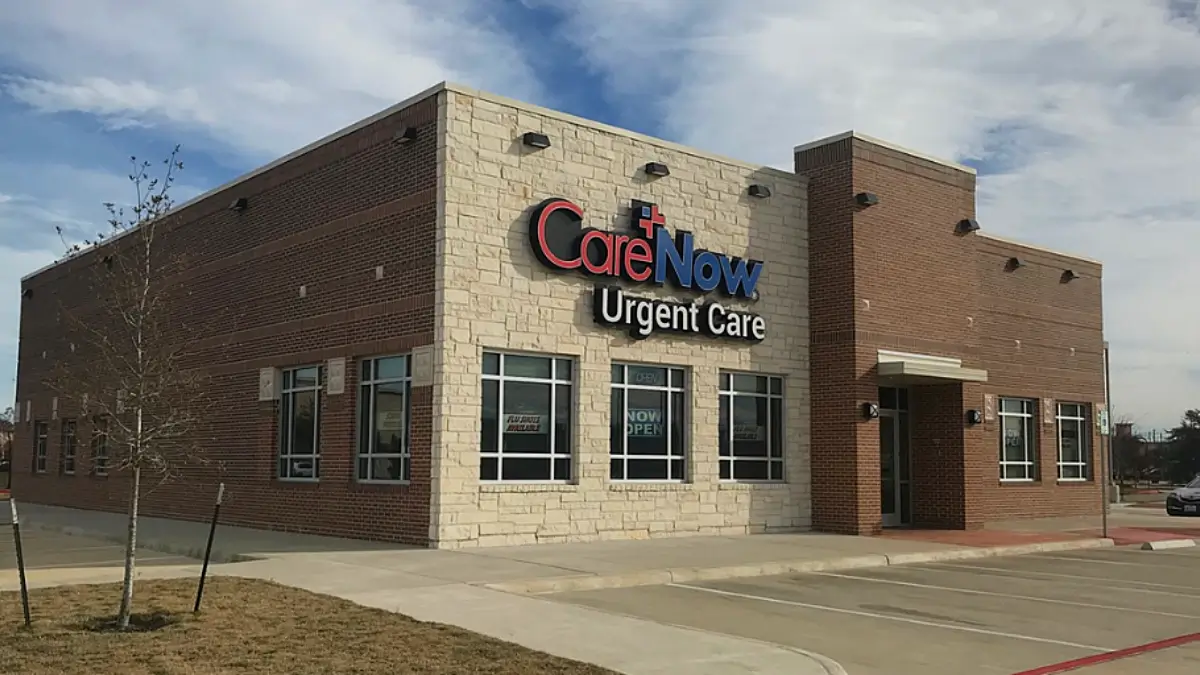
Urgent Care Clinics are all about Convenience
Patients want healthcare that fits into their lives, and that shift in consumer expectations is reshaping how healthcare providers think about real estate. More than ever, that means meeting people where they already are, which increasingly points to retail settings. Urgent care clinics have emerged as a direct response to the broader shift from inpatient to outpatient care, offering a lower-cost, faster alternative to hospital emergency rooms where overhead keeps climbing and wait times remain a persistent frustration.
The urgent care industry is one of the fastest-growing segments of the American healthcare system, and the numbers reflect it. As of 2023, there were 10,781 active urgent care clinics operating across the United States, employing around 230,000 people. Revenue reached $52.7 billion, reflecting a compound annual growth rate of 7.1% over the prior five years.
The draw for patients is straightforward. In a 2023 survey, 22% of patients chose urgent care primarily because they expected shorter wait times, and 21% cited location convenience. When the average wait for a new-patient appointment across major specialties sits at 26 days, and family medicine averages 20 days, it is not hard to understand why walk-in, after-hours care has become the preferred option for a growing share of the population.
Urgent Care Clinics in Retail Real Estate
Large healthcare systems are no longer limiting their footprint to traditional medical campuses. Ambulatory strategies now call for putting care closer to where patients live and shop, and vacant retail spaces have become a natural fit. Retail landlords have taken notice. Healthcare tenants bring perceived stability, stronger credit profiles, and the kind of consistent foot traffic that struggling retailers cannot always deliver. At a time when the retail sector continues to contend with store closures and elevated vacancy rates, a well-credentialed medical tenant looks attractive on both sides of the deal.
For healthcare providers, the appeal of retail is about demographics, visibility, and access. The same factors that drive successful retail site selection, including trade area density, traffic patterns, and consumer behavior data, are now central to how outpatient providers make location decisions. Healthcare operators are increasingly thinking like retailers, and the smarter ones are leveraging the retail sector’s deep knowledge base to inform their real estate strategy.
Site Selection for Urgent Care Operators
The best healthcare real estate advisors today are doing more than pulling comps. They are combining patient data, GIS mapping, and payer mix analysis with traditional site selection criteria to help operators identify where demand exists and where it is heading. Pinpointing markets with both strong health needs and a favorable payer mix is the foundation of a sustainable growth strategy. Knowing who your best patients are, where they are located, and where to find more like them is now driving facility decisions in a way it simply was not a decade ago.
Selecting the Right Retail Property for Urgent Care Use
Not every retail location is a fit for urgent care. The strongest candidates tend to be smaller shopping centers, freestanding buildings, and pad sites positioned near big box anchors and food and drug retailers that generate reliable traffic on their own. Dense trade areas with strong demographics, high traffic counts, and a proven retail draw give urgent care operators the visibility and access they need to build patient volume.
Endcap and pad site locations with prominent signage, easy ingress and egress, and clean aesthetics will command premium rents within a submarket. That premium can be worth it if the location supports meaningfully higher patient volumes. The highest-quality sites in the best locations rarely sit on the market long, and in most cases, paying up for visibility is a better long-term decision than settling for a second-tier location to save on occupancy cost.
Frequently Asked Questions
1. We are expanding into new markets and considering retail locations. What should we prioritize in site selection beyond traffic counts and visibility? Payer mix and trade area demographics should carry equal weight with visibility and traffic. A high-traffic location in a market with an unfavorable payer mix can undermine clinic performance regardless of patient volume. Layering your patient data and GIS mapping onto traditional retail site criteria gives you a clearer picture of where demand exists and whether it supports your revenue model. The best retail location and the best location for your patient base are not always the same thing.
2. Retail landlords seem eager to work with us, but how do we know if we are negotiating the right deal terms for a healthcare use? Landlord enthusiasm does not automatically translate into favorable lease terms. Retail leases are written for traditional retailers and often contain provisions that do not account for medical use, including parking ratios, permitted use language, after-hours access, and signage requirements. CAM charges in retail can also run significantly higher than in a medical office building. A tenant rep advisor who understands both retail leasing and healthcare real estate will make sure the deal structure actually supports your clinical and financial objectives.