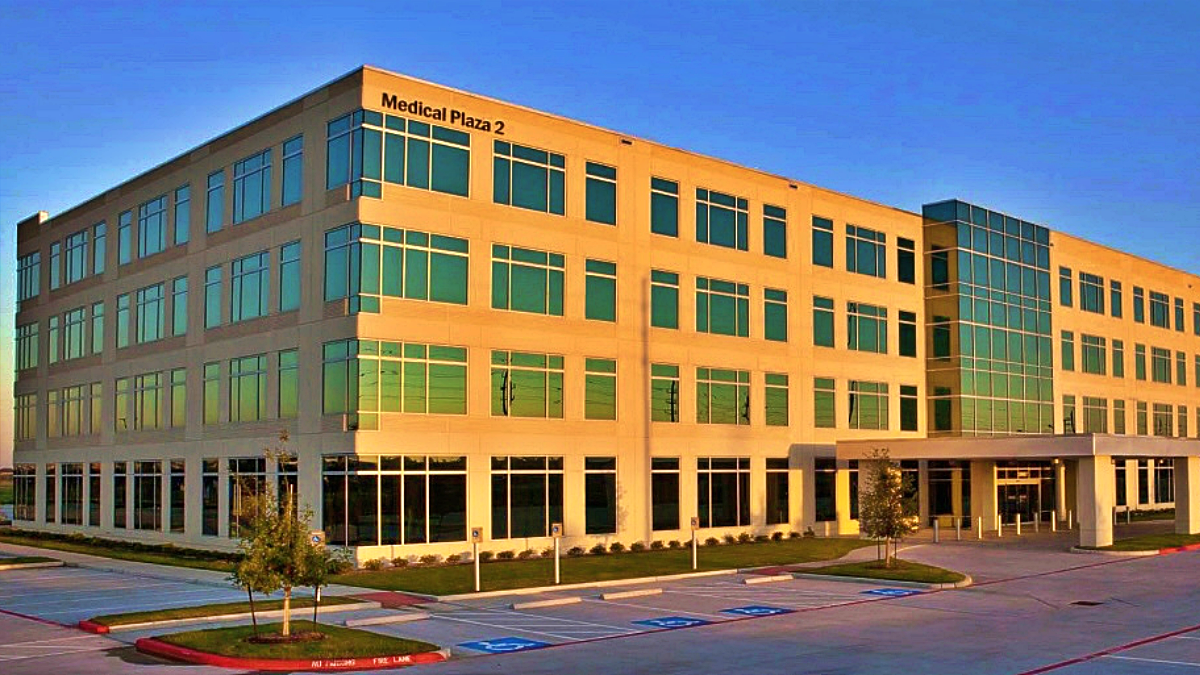
The Medical Office Market Is Strong. Here’s What That Means If You’re a Healthcare Tenant

Why Demand Keeps Growing
The structural drivers here aren’t complicated. America is aging, and older populations use more healthcare. The numbers are unambiguous: the 65-and-older cohort is projected to grow from roughly 58 million today to over 80 million by 2040, and per-capita healthcare utilization roughly doubles between ages 45 and 75.
This isn’t a cyclical uptick, it’s a demographic wave moving through the population in slow motion, predictable decades in advance. Every year, more Americans cross into the age brackets that generate the highest volume of physician visits, chronic disease management, elective procedures, and specialist referrals. That translates directly into occupied exam rooms, filled appointment slots, and pressure on existing MOB inventory.
At the same time, care continues migrating out of hospitals and into outpatient settings, a trend that shows no signs of reversing. The forces behind this shift are structural and self-reinforcing.

Why Supply Isn’t Keeping Up
New development has been historically constrained. Construction costs, financing conditions, and entitlement timelines have kept the pipeline thin. While there are early signs that development is beginning to recover, particularly as health systems prioritize suburban outpatient expansion, meaningful new inventory is still a ways off.
In the meantime, existing owners are benefiting from the gap. High occupancy drives rent growth. Rent growth drives stronger cash flows. Stronger cash flows attract more institutional capital. It’s a cycle that reinforces itself, and right now it’s moving in one direction.
What the Capital Markets Are Saying
Transaction volume slowed over the past couple of years as interest rates created a bid-ask disconnect. That’s changing. Debt markets have stabilized, lenders are back at the table, and acquisition activity is picking up. Acquisitions are rising, debt is available and capital wants to enter the sector.
More buyers chasing fewer quality assets means valuations hold firm, and sellers have little incentive to negotiate. That dynamic doesn’t stay contained to investment sales. It flows directly into how landlords approach lease renewals and new deals.

The Houston Angle
For healthcare providers operating in Houston, the national picture maps closely to local conditions. Suburban MOBs are drawing serious institutional interest. Houston’s demographic growth, one of the strongest in the country, supports long-term demand. Well-located assets in growth corridors are attracting buyers who intend to hold and optimize, which means the landlord across the table from you at renewal time may be a sophisticated institutional owner with a professional asset management team.
That’s a different negotiation than it was five years ago.
What This Means for Healthcare Occupiers
If you’re a healthcare tenant, the takeaway isn’t doom and gloom, but it does require honest planning.
Desirable submarkets will continue tightening. Landlords with high occupancy have less motivation to make concessions. Waiting to engage the market is not a neutral decision; in most cases it’s a costly one. The tenants who navigate this environment well are the ones who start early, understand local conditions, and have representation that works exclusively for them, not for the building.
The MOB market is strong. That’s genuinely good news for owners and investors. For occupiers, it means the window to negotiate favorable terms is narrowing, and the time to act is before that window closes, not after.